







Search Results for: hot drinks

Hot Coffee Beats Iced Coffee for Beating the Heat? A Scientific Look at the Temperature Debate in Summer Coffee Drinking
On a scorching summer day, with temperatures approaching 40 degrees Celsius, would you rather pick up a glass of iced coffee or a hot coffee? Most people's instinct would be to choose a cold drink to dispel the heat, yet scientific research gives the exact opposite answer: a hot beverage may actually be the truly effective way to cool down. This article explores in depth the pros and cons of iced coffee versus hot coffee in summer from the perspectives of taste perception, the principle of ice dilution, and the body's sweating and evaporation mechanisms, and analyzes why some people insist on drinking hot coffee in the sweltering heat. Whether you are a loyal fan of iced coffee or a staunch supporter of hot coffee, this discussion about temperature and how it feels to the body is worth a read. [more…]
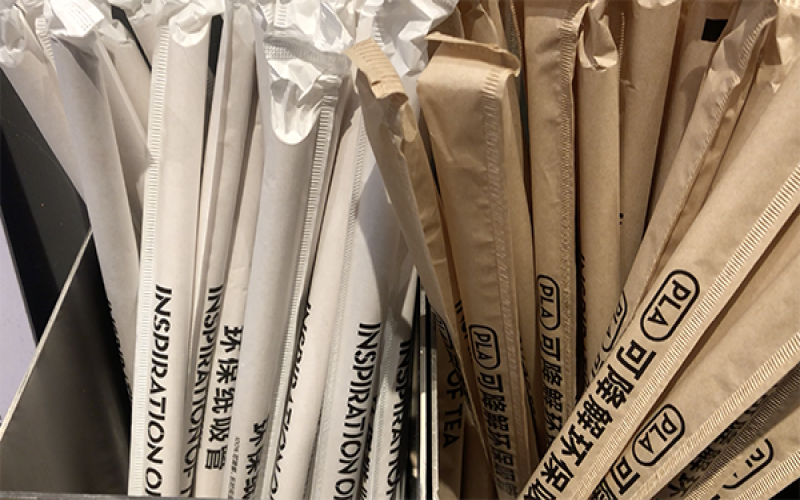
No straw with hot coffee leads to bad reviews? Let's talk about the industry conventions and consumer perception differences behind it
When winter arrives, you order a hot coffee and find there's no straw included—some people grumble about it, while others go straight to leaving a bad review. But why do businesses default to not providing straws with hot drinks? Behind this are both safety considerations—hot liquids can easily cause burns, and plastic straws may release harmful substances when exposed to heat—and a tacit consensus gradually formed across the industry. However, not all customers are veteran coffee enthusiasts, and when faced with "needing utensils" only to receive a hot drink without a straw, misunderstandings and dissatisfaction are naturally hard to avoid. This article will break down the causes and consequences of this contradiction, look at how chain brands and independent cafés respond, and consider what mindset we should adopt toward the diverse choices in how coffee is consumed. [more…]
Can a Hot Dirty Coffee Be Achieved? Unraveling the Layering Principle and the Feasibility of Hot Drink Preparation
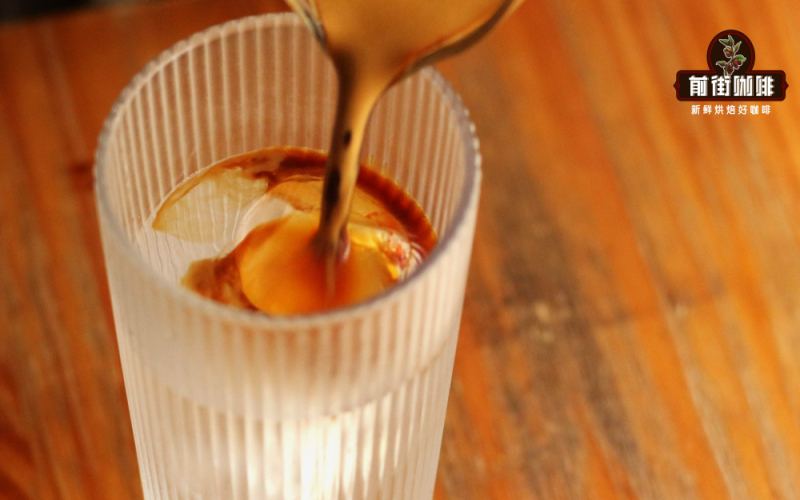
Since its creation, Dirty coffee has been served as a cold drink, using the density difference between cold milk and hot espresso to create a distinctly layered texture. But many coffee enthusiasts have raised the question: can Dirty be made as a hot beverage? This article begins with Front Street Coffee's secret menu, traces the origins and core production of Dirty, and deeply analyzes the feasibility of hot Dirty. Through actual testing with a specially made ice ball to rapidly cool the espresso and heating the milk, an attempt is made to replicate the layered effect, and the flavor differences between the iced and hot versions are compared. The article also explores the limitations of hot Dirty in café service, answering for coffee enthusiasts why hot Dirty is difficult to become a regular option. [more…]

Common Types of Italian Coffee | What Are the Classic Milk Coffee Recipes? What's the Difference Between a Latte, Macchiato, Cappuccino, and Dirty?
Espresso is a must-have beverage in every café. Many people's first impression of espresso is that it's unbearably bitter. In fact, espresso isn't limited to such bitter shots. If you want an espresso that isn't bitter and suits your taste, the first thing you need to understand is the different types of espresso. Front Street Cof [more…]
2023 Starbucks Drink Menu Price List Overview: Popular Hot and Cold Coffee Recommendations and Price Change Analysis
What are the Starbucks drink menu prices in 2023? Which hot and cold coffee drinks are the most popular? This article compiles a detailed price list of the entire Starbucks menu, including espresso, Frappuccinos, shaken iced tea, and the cold brew series, and reviews the specific price increases after the February 2022 adjustment. Whether you prefer the classic Americano, latte, or are fond of Frappuccinos or cold brew, you can find the latest prices and popular recommendations here, helping coffee lovers order easily without any missteps. [more…]
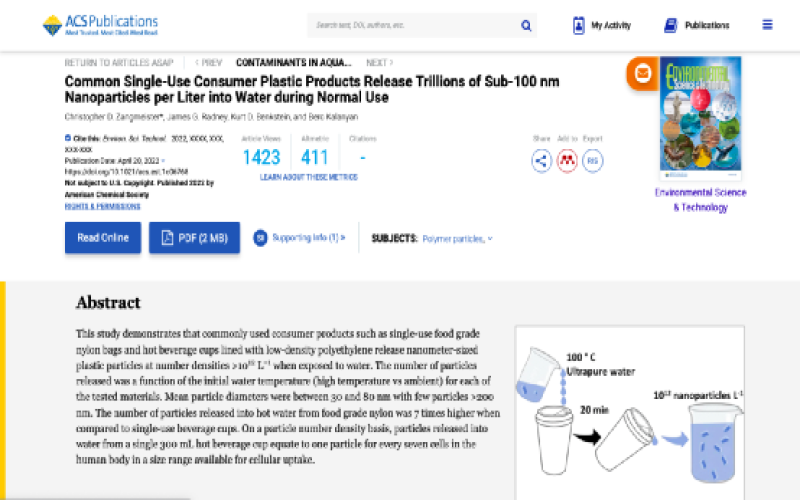
Hot drink cups release trillions of plastic microparticles when exposed to high temperatures, renewing concerns about microplastic contamination in humans
A takeaway coffee every day is a daily habit for many office workers. But have you ever considered that the paper cup holding hot coffee might be quietly releasing trillions of plastic particles into your drink when it meets hot water? Researchers at the U.S. National Institute of Standards and Technology conducted experiments on this, and the results are concerning. In fact, multiple previous studies have confirmed that microplastics and nanoplastics have already invaded human blood and lungs. Facing this invisible health threat, bringing your own cup may be the simplest and most effective way to respond. [more…]
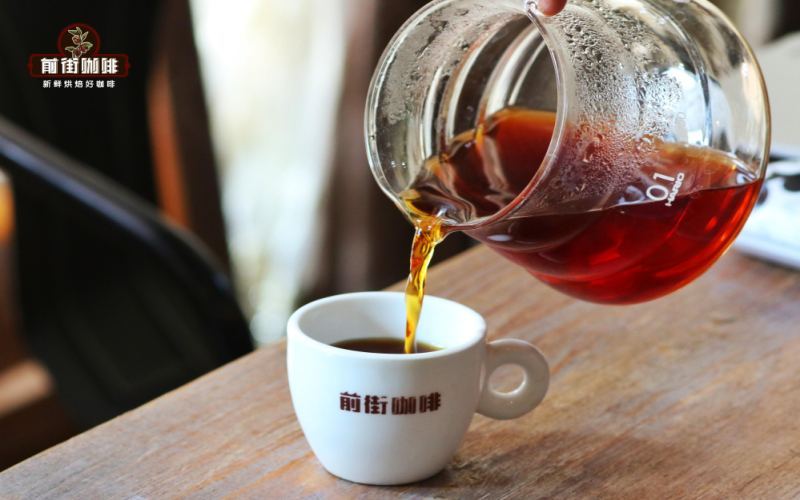
What Is the Ideal Temperature for Hot Americano? A Full Analysis of Flavor Differences at Various Temperatures and the Best Time to Drink It
Coffee enthusiasts have different preferences for drinking temperature, from piping hot to ice-cold, but the actual impact of temperature on flavor is often overlooked. This article focuses on hot Americano, a category that receives much attention in winter, and explores the changes in aroma and mouthfeel at different serving temperatures. Front Street Coffee uses a dark-roast espresso blend and a light-roast single-origin bean to make Americanos separately, comparing them one by one at four temperatures: 60°C, 70°C, 80°C, and 90°C, in an attempt to identify the range with the best flavor performance. The test also focuses on the evolution of taste as the coffee cools, as well as the phenomenon that bitterness increases as the temperature drops. The final conclusion points to serving at a medium-high temperature of 75–80°C, and it is recommended to use preheated cups to extend the optimal tasting time. [more…]
Little difference between hot and cold coffee in refreshing effect; from the perspective of aroma, taste, and extraction principles, how should you choose between Americanos?
Many people assume that hot coffee is more effective at boosting alertness than iced coffee, but what really affects alertness is the caffeine content of the coffee beans themselves and how much of it is extracted during brewing. With the same beans, the longer the extraction time, the more caffeine is released, so when you need a quick pick-me-up, cold brew or pour-over drip are both viable options. Americano is currently the most popular coffee drink, and iced Americano accounts for the vast majority of those, but hot Americano performs better in aroma, flavor fullness, and body. Front Street Coffee used its Warm Sun blend to compare hot, room-temperature, and iced Americanos, and found that hot Americano had the best aroma, while iced Americano was more refreshing and smooth. This article, from the perspectives of the science of alertness, flavor differences, and brewing suggestions, helps you find the cup that suits you best. [more…]

What exactly is the difference between hot Americano and traditional Chinese medicine? Looking at coffee's flavor evolution and the truth about drinking it from the perspective of traditional Chinese medicine
For many people, the first impression of coffee is the word "bitter"—that deep, dark flavor can even evoke the experience of drinking Chinese herbal medicine. But can coffee really be equated with Chinese herbal medicine? From the perspective of traditional Chinese medicine, coffee does indeed have certain medicinal value: it is pungent and warm in nature, and can refresh the mind, boost kidney yang, and promote diuresis. However, hot Americano and Chinese herbal medicine differ fundamentally in extraction method, purpose of consumption, and purchasing channels. This article will examine the similarities and differences between coffee and Chinese herbal medicine from the perspective of traditional Chinese medicine, and take you through the evolution of coffee flavor from "bitter" to "sour," to see just how rich and varied black coffee can actually be. [more…]
Analysis of the Optimal Serving Temperature for Hot Americano: A Comparative Experiment Between Dark and Light Roast Beans
In the cold winter, the order rate for hot Americanos rises noticeably, yet the serving temperature at different cafés varies widely, ranging from 60°C to over 90°C. Exactly which temperature range allows a hot Americano to reach its best flavor and mouthfeel? Front Street used a dark-roast espresso blend and a medium-light-roast single-origin bean respectively, comparing them one by one at four temperatures: 60°C, 70°C, 80°C, and 90°C, conducting tests across dimensions such as aroma retention, initial drinking experience, changes as it cools, and the length of the enjoyable drinking window. The results showed that the optimal temperature for dark-roast and light-roast beans is not the same, but both are not very friendly to high temperatures above 80°C. This article will present the full experimental process and conclusions to help coffee lovers find the most ideal state for a cup of hot Americano in winter. [more…]
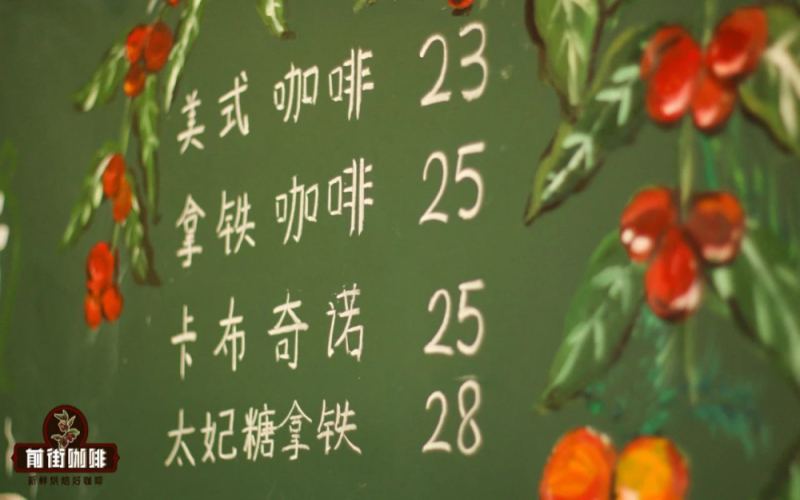
A Complete Guide to Italian Coffee: Methods and Flavor Differences of Espresso, Americano, Latte, Cappuccino, and Other Common Types
Walk into any café, and espresso is almost always a core option on the menu. When many people first encounter espresso, they often come away with nothing but the impression that it is "bitter," but in reality, the family of espresso-based drinks that has grown out of espresso as a foundation is far richer than one might imagine. From the pure, intense Espresso, to the Americano diluted with hot water, to the latte and cappuccino that blend milk and milk foam, and even the Dirty coffee that has become popular in recent years, each one has its own unique logic of ratios and layers of flavor. This article will systematically sort out the common types of espresso drinks, their preparation parameters, and their flavor characteristics, to help coffee lovers find the cup that suits their own taste. Front Street Coffee (FrontStreet Coffee) will also share the specific preparation methods for each drink for everyone's reference. [more…]

Milk tea ordered as a hot drink but made at room temperature, customer questions why they should pay for the store's mistake
As the weather turns cooler, many consumers specifically note when ordering coffee or milk tea that they want it served hot. However, recently a customer at a ChaPanda store clearly left a note asking for the drink to be heated, yet received a room-temperature beverage. What angered her even more was that the staff had already noticed the mistake when handing out the order, but still packed and sent out the drink, attaching a note to explain. This incident sparked widespread discussion online: why should the customer pay for the store's mistake? Restaurant industry professionals pointed out that when an order is found to be made incorrectly, the store should bear the loss and remake it, rather than forcing the wrong item on the consumer. [more…]

Starbucks Halloween limited-edition Cocoa Black Tea Latte sparks discussion: hot drink whipped cream topping melts, wrong syrup used, consumers say the look is a total flop.
This Halloween, Starbucks launched two limited-edition drinks at its mainland China stores. One was the Dark Pumpkin Frappuccino imported from Japan, and the other was the Red Magic Cocoa Black Tea Latte designed for cooler weather. This tea latte, which can only be made hot, was supposed to attract customers with its good looks, but many people found after receiving their delivery that the whipped cream topping had disappeared completely, while others got a version with the wrong syrup added, leaving the final product worlds apart from the promotional image. Netizens complained one after another that the drink looked like "witch's brew," and some even questioned whether the product design was unreasonable. As coffee enthusiasts, Front Street Coffee has also noticed this phenomenon, and this article will provide a complete rundown of how the incident unfolded and the responses from all sides. [more…]
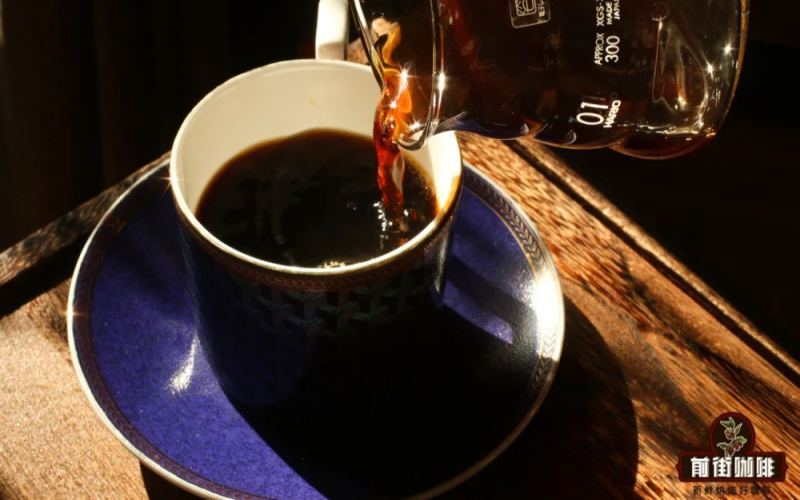
Why should coffee be enjoyed while hot? Can pour-over coffee be reheated? Which is better for black coffee: hot or iced?
The temperature of coffee has a tremendous impact on the taste experience—the same cup of coffee presents completely different layers of flavor at different temperatures. From the aroma of hot coffee to the complexity of warm coffee, and then to the technical performance of cold coffee, each stage has its own unique tasting value. This article will provide a detailed explanation of the optimal drinking temperature for coffee, the temperature ranges for milk coffee and pour-over coffee, whether cold coffee can be reheated, and how coffee flavors change at different temperatures. At the same time, drawing on Front Street Coffee's tasting experience, the article also offers practical drinking suggestions for coffee lovers, helping everyone enjoy the most complete flavor expression of a cup of coffee within the appropriate temperature window. [more…]
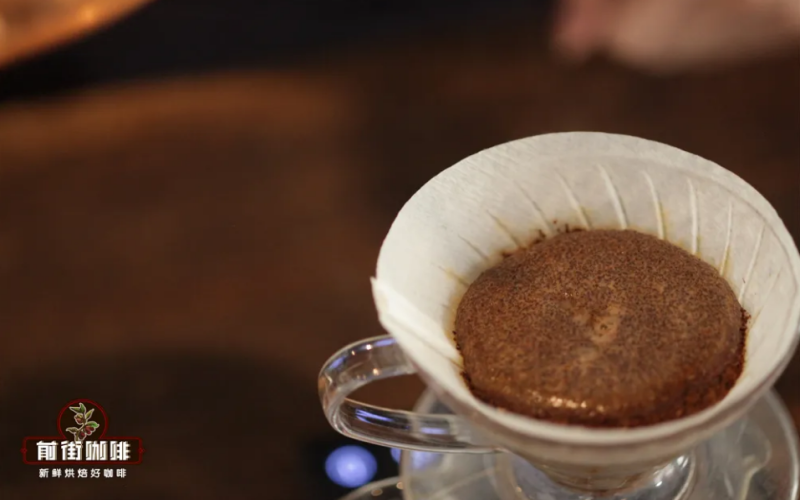
Analysis of Flavor Differences Between Hot and Cold Pour-Over Coffee and the Optimal Drinking Temperature
A cup of pour-over coffee reveals a completely different flavor perception at different temperatures. When hot, bitterness is suppressed and the sour-sweet notes stand out; at the medium-temperature stage, sweetness and the sweet aftertaste are at their fullest; once cooled, bitterness and acidity rise together while sweetness fades. Through comparative experiments, Front Street Coffee found that the reason hot pour-over has a more complete flavor comes down to ample water and full extraction. Iced pour-over, by contrast, requires less water and a finer grind to cool quickly, yet this easily brings out bitter, harsh off-notes from too many fines. Starting from parameter differences, experimental data, and tasting feedback, this article systematically explains why, if you want flavor, you should drink hot pour-over. [more…]
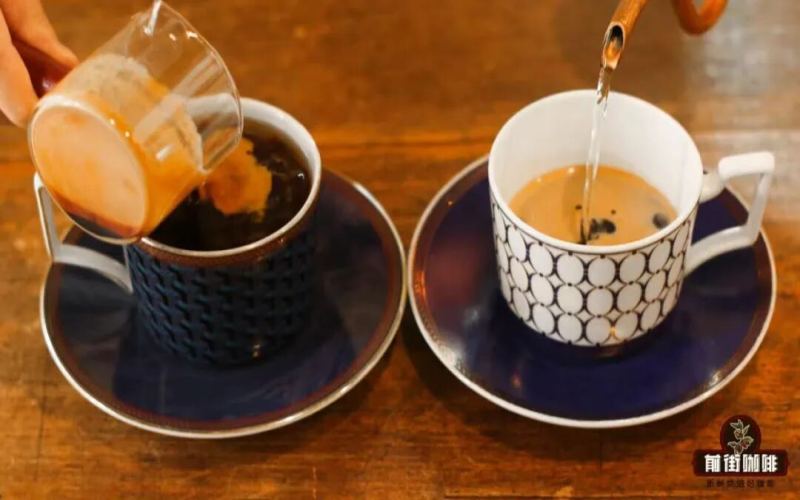
Fancy Ways to Drink Americano | Can You Make Latte Art with Americano? Does Americano with Milk Taste Good? Isn't a Long Black the Same Drink as an Americano?
As everyone knows!! In espresso coffee, the combination of milk and coffee has an extremely rich variety of ways to be enjoyed. Just by slightly changing the method or parameters, milk and coffee alone can be made in countless ways. The well-known ones include latte, cappuccino, flat white, piccolo, cortado, macchiato, and so on and so forth. And on the other hand, [more…]
A Complete Guide to the Espresso Family: Ratios, Flavors, and Key Production Points of Espresso Bases and Common Varieties
Italian coffee is far more than a cup of bitter espresso. Starting from Espresso as the core base, adding water, milk, milk foam, chocolate, or caramel gives rise to a rich variety of drinks such as Americano, Latte, Cappuccino, Mocha, Macchiato, Caramel Macchiato, and Dirty. Understanding the ingredient composition, classic ratios, and flavor characteristics of each Italian coffee is the key to finding one that suits your taste. This article takes espresso as its starting point, systematically sorting out the names, ingredient proportions, and preparation details of common Italian coffee varieties found in cafés, and shares Front Street Coffee's specific approach to each drink, helping coffee lovers gain a clearer understanding of the large family of Italian coffee. [more…]
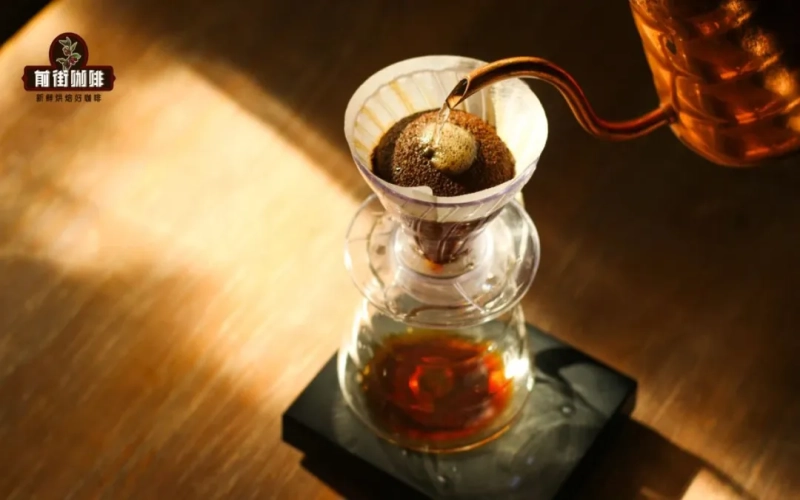
Analysis of Flavor Differences Between Hot and Iced Pour-Over Coffee: Extraction Yield, Water Temperature Ratio Parameters, and Tasting Experience Comparison
When tasting a new bean, why is it recommended to choose a hot brew first? This article delves into the flavor differences of black coffee made by pour-over, French press, siphon, and other methods under hot brewing and iced brewing from the perspectives of extraction yield, concentration, water temperature parameters, and so on. Taking pour-over coffee as an example, the article specifically compares the different settings of hot brewing and iced brewing in terms of coffee-to-water ratio, grind size, water temperature, and other parameters, and explains why iced brewing often requires sacrificing part of the extraction yield in exchange for higher concentration. At the same time, it also explores the influence of temperature on aroma, taste, and aftertaste, explaining why hot coffee can more fully present the complete picture of a bean. [more…]
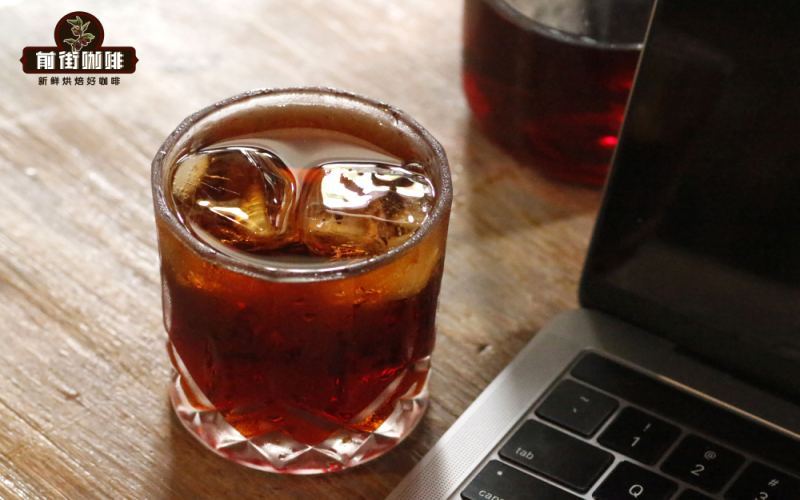
Analysis of Hot vs. Cold Flavor Differences in Pour-Over Coffee: Which Coffee Beans Are Better for Iced Pour-Over?
Front Street's store bean list is extensive, and many customers face a dilemma after choosing their coffee beans: should they make a hot pour-over or an iced pour-over? What exactly is the difference in flavor between the two? This article starts from Front Street's actual brewing parameters, analyzes the construction logic of iced pour-over, and conducts a hot-versus-cold comparison using four representative coffee beans—Ethiopia TOH Uraga, Papua New Guinea Bird of Paradise, Indonesia Golden Mandheling, and Colombia Flower Moon Night—evaluating them across three dimensions: aroma, flavor, and mouthfeel. The results show that hot pour-over generally has the advantage in aroma richness and layering, while iced pour-over is more popular in summer thanks to its cold-drink appeal. The article also points out that light-roast and anaerobic-process coffee beans are more suitable for making iced pour-over, while medium-dark roast beans are not very suitable. [more…]
Which is more outstanding: iced, hot, or room-temperature Americano? What water temperature is suitable for controlling hot Americano?
It's the same espresso diluted with water, so why do iced, hot, and room-temperature Americanos taste so different? This article starts with the origins of the Americano, traces how Italian-style cafés brought this drink to prominence, and uses a comparative experiment—making iced-water, room-temperature-water, and 88°C-hot-water versions of the Americano with Front Street Coffee's classic espresso blend—to break down the differences one by one across three dimensions: aroma, flavor, and mouthfeel. The article also provides specific methods for making all three types of Americano, the ratio of espresso to water, and the reason hot Americanos shouldn't use water that's too hot, helping coffee lovers choose based on the taste they want at the moment. [more…]